We are determined to help create a public education system where race and income do not predict a student’s ability to thrive.
Our coalition pushes the boundaries of the possible, designing and implementing research-based interventions that move the needle for the most vulnerable students. We measure the impact of our work in terms of students reached, sites launched, and system-level change, aiming to cultivate the conditions that allow the research-based innovations we support to take root and thrive.
The introduction of tutoring into the ecosystem is one of the most seismic shifts in instructional time that I’ve seen in my career.”
-Washington, DC, State Superintendent of Education (2021-2024), Dr. Christina Grant
students
tutored
tutors
deployed
schools engaged in
design programming
hours
of tutoring
strategic staffing
pilots launched
During the 2024–25 school year, we reached more than 26,000 students across DC and Virginia, expanding our coalition to 92 schools. High-impact tutoring has become a lasting pillar of DC’s education strategy, and our comprehensive approach for strengthening instruction, building educator pipelines, and supporting students furthest from opportunity is working.
Explore the full 2025 Impact Report to see what we’ve learned and how we’re building a sustainable, equitable education system where every student can succeed.
We began as CityTutor DC, incubated at CityBridge Education to implement and scale high-impact tutoring programming with schools. In 2025, we rebranded to CitySchools Collaborative to reflect our programmatic and geographic expansion.
See the history of our impact in prior reports:
CitySchools Collaborative supports 100+ schools, tutoring providers, local universities, community-based organizations, and government stakeholders to improve outcomes for the most vulnerable students and communities. CitySchools Collaborative recruits, trains, and coaches partners citywide to launch and expand HIT programs and implement strategic staffing models.
A rigorous new report from our partners at EmpowerK12, using data from the 2024–25 school year, finds that high-impact tutoring (HIT) works to accelerate student learning and that the unique support CitySchools Collaborative provides to partners helps students grow even faster. The findings add to the growing body of evidence that a well-designed, intensive tutoring program is a powerful tool for addressing academic performance gaps.
The groundbreaking research at Stanford’s National Student Support Accelerator on high-impact tutoring, based on our work, finds that students were significantly more likely to attend on days with scheduled tutoring sessions, with middle school students showing a nearly 12% reduction in absences. The findings underscore the crucial role of tutoring in keeping students engaged and present in the classroom.
Local and national reports continue to spotlight DC as a national model for HIT and education recovery:

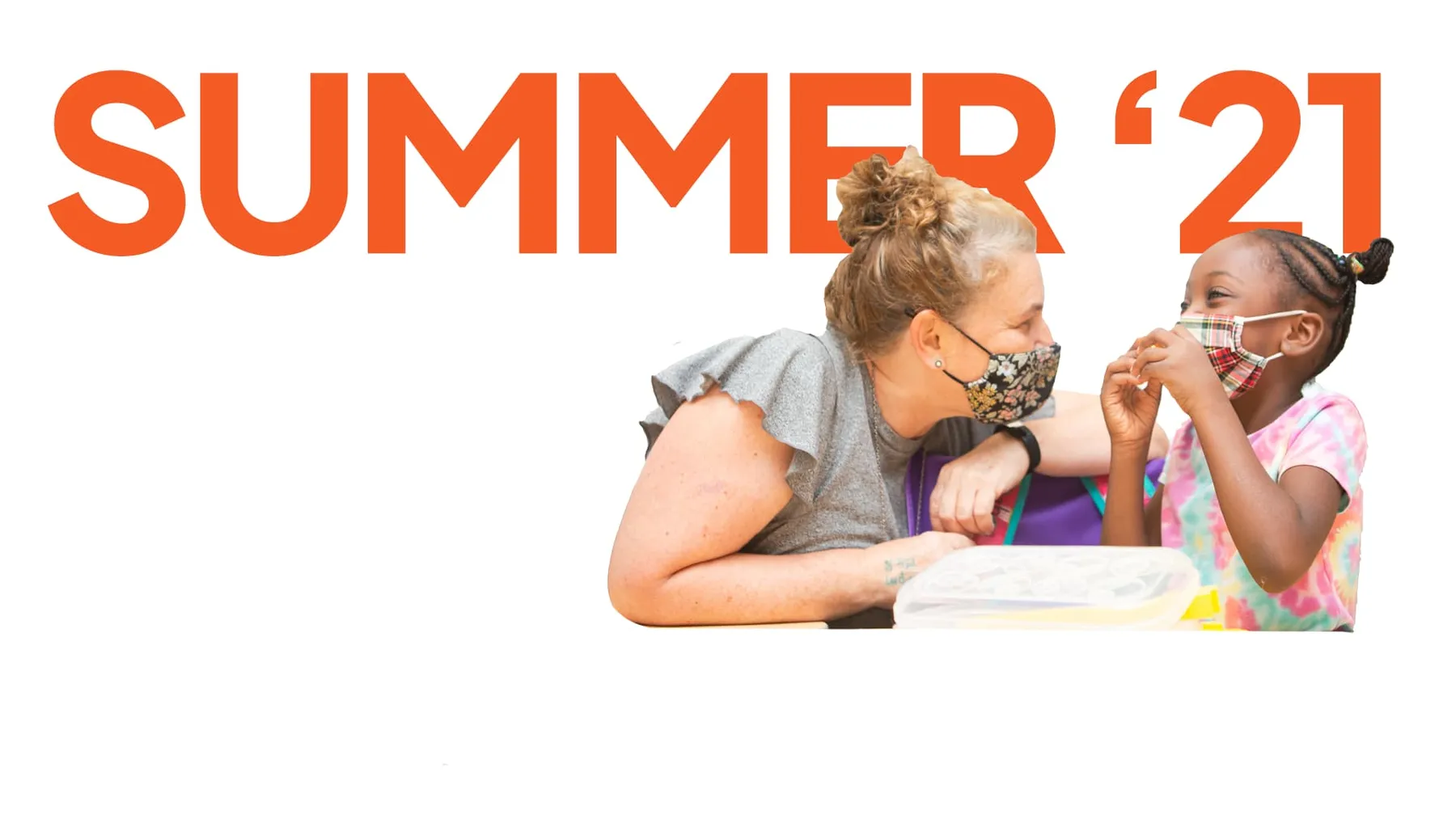
In Summer 2021, 300 students received tutoring as schools supported by CityTutor piloted HIT
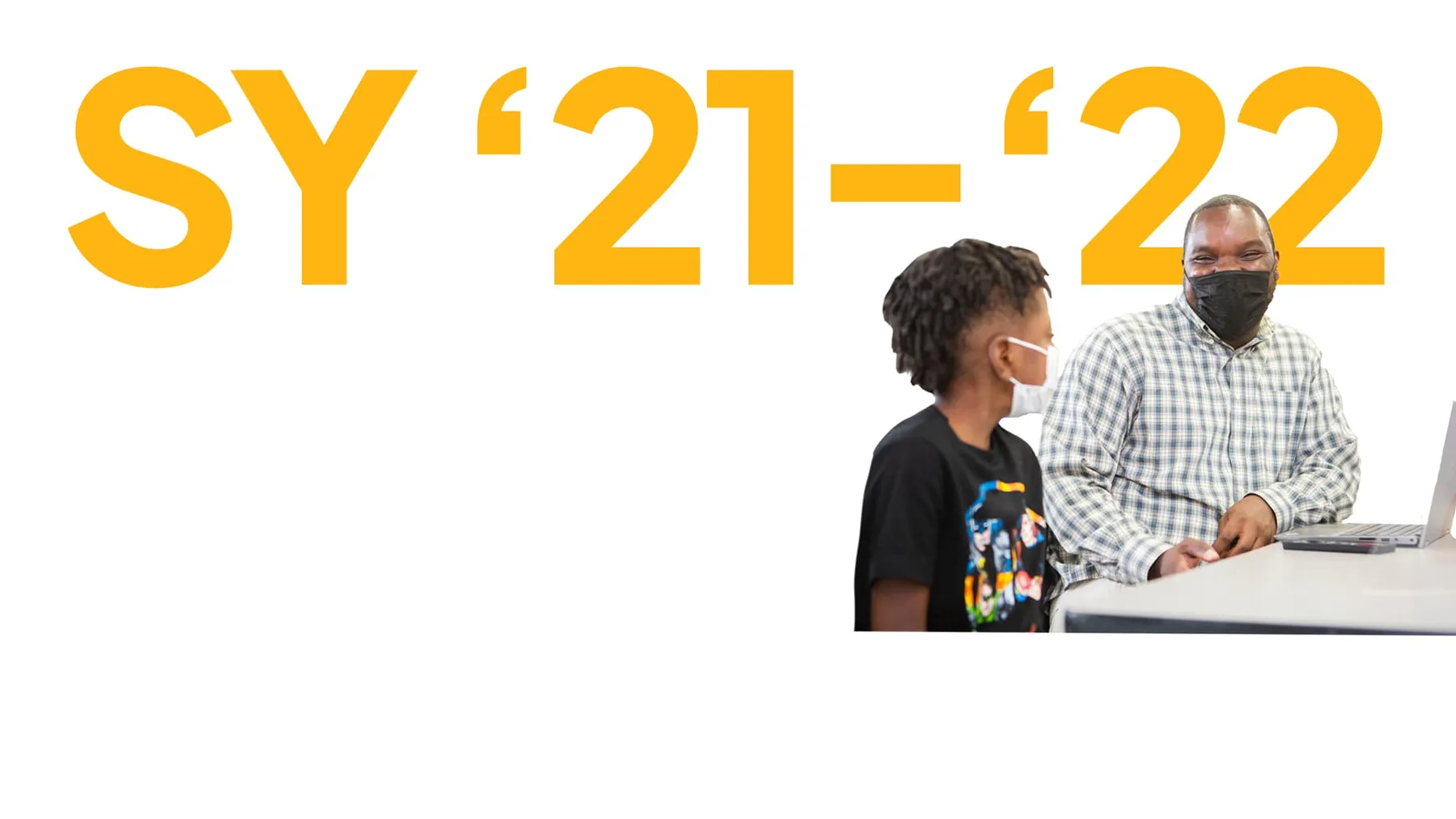
In school year 21-22, students returned to the classroom, and new partnerships were formed on an ongoing basis as we scaled HIT to serve more students. An additional 5,300 students received HIT throughout the year.

In Summer 2022, an additional 600 students received HIT through our support.
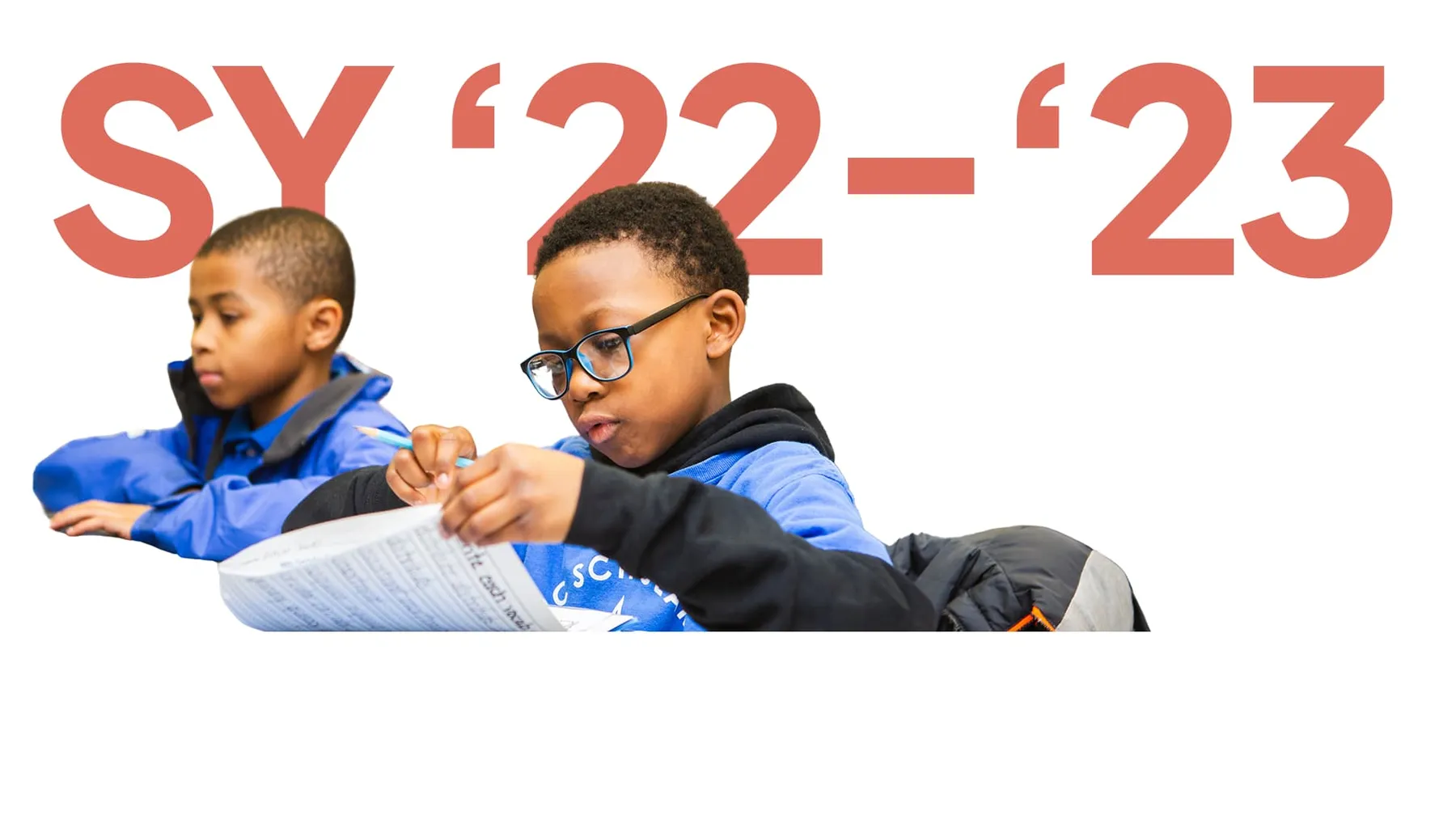
In school year 22-23, new and continued partnerships allowed us to expand access to more than 4,800 students, surpassing our overall our goal.
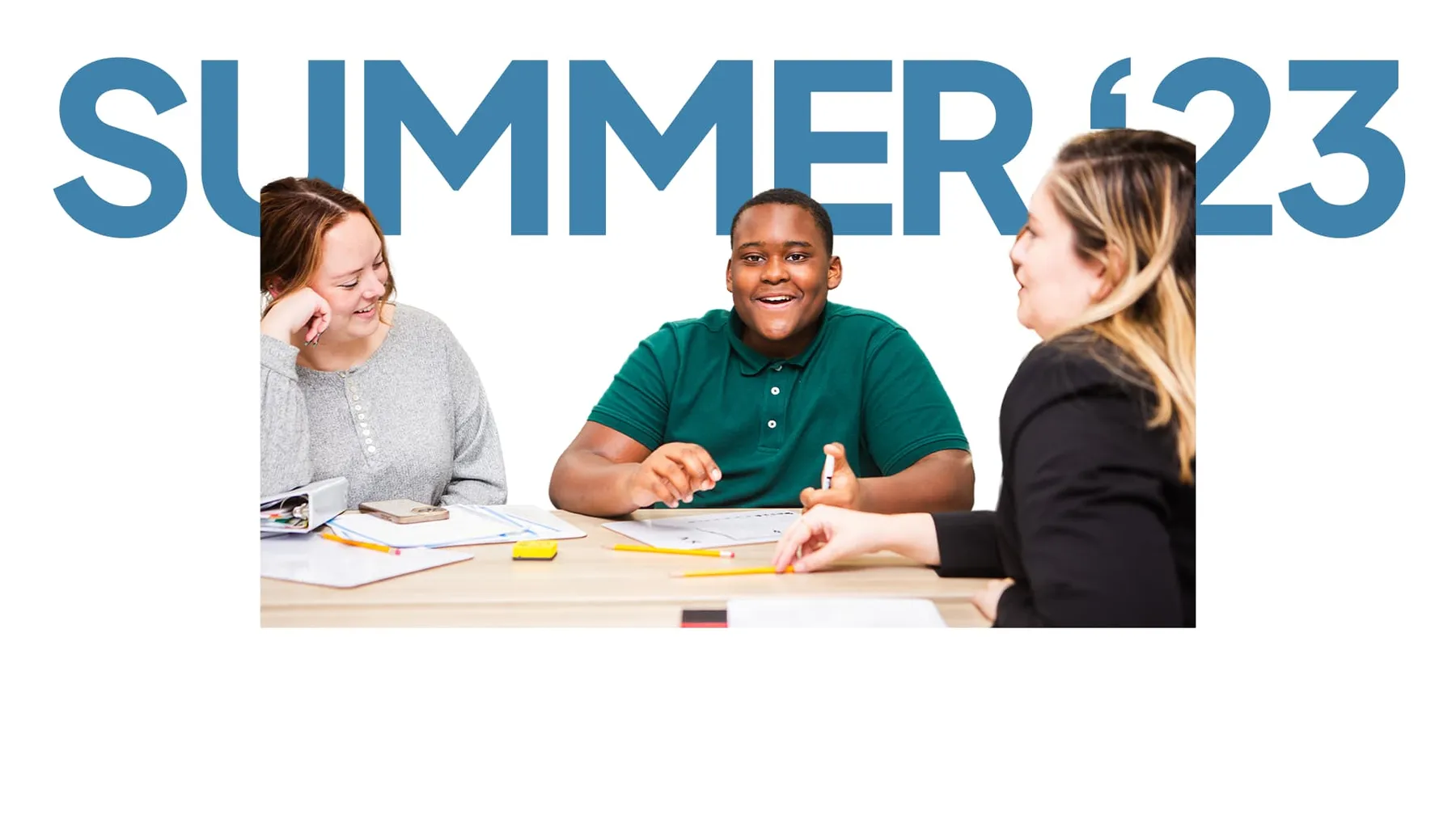
In Summer 2023, an additional 300 students received HIT through our support.
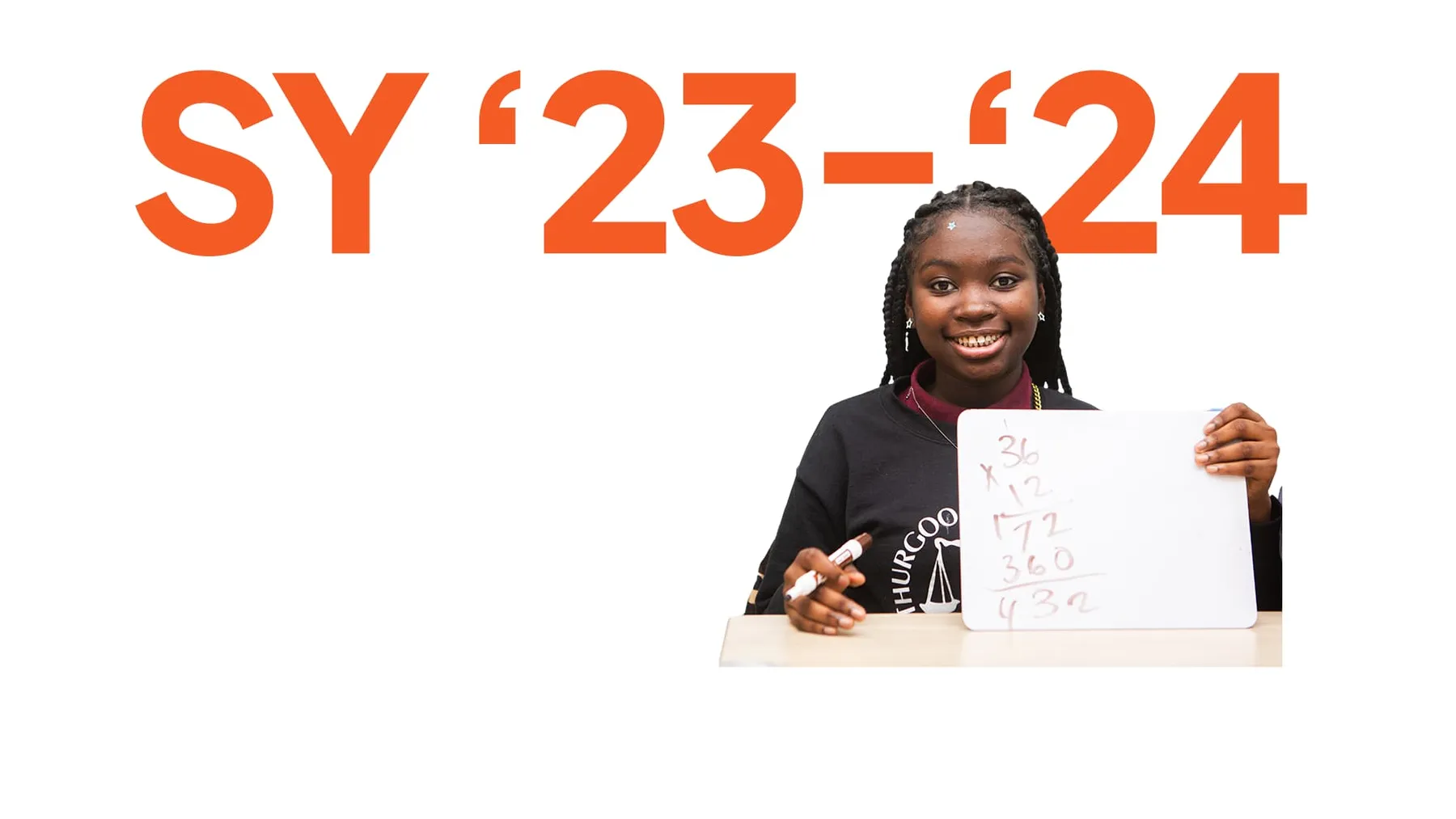
In school year 23-24, new and continued partnerships allowed us to expand HIT access to more than 4,500 students.

In Summer 2024, an additional 700+ students received HIT through our support.
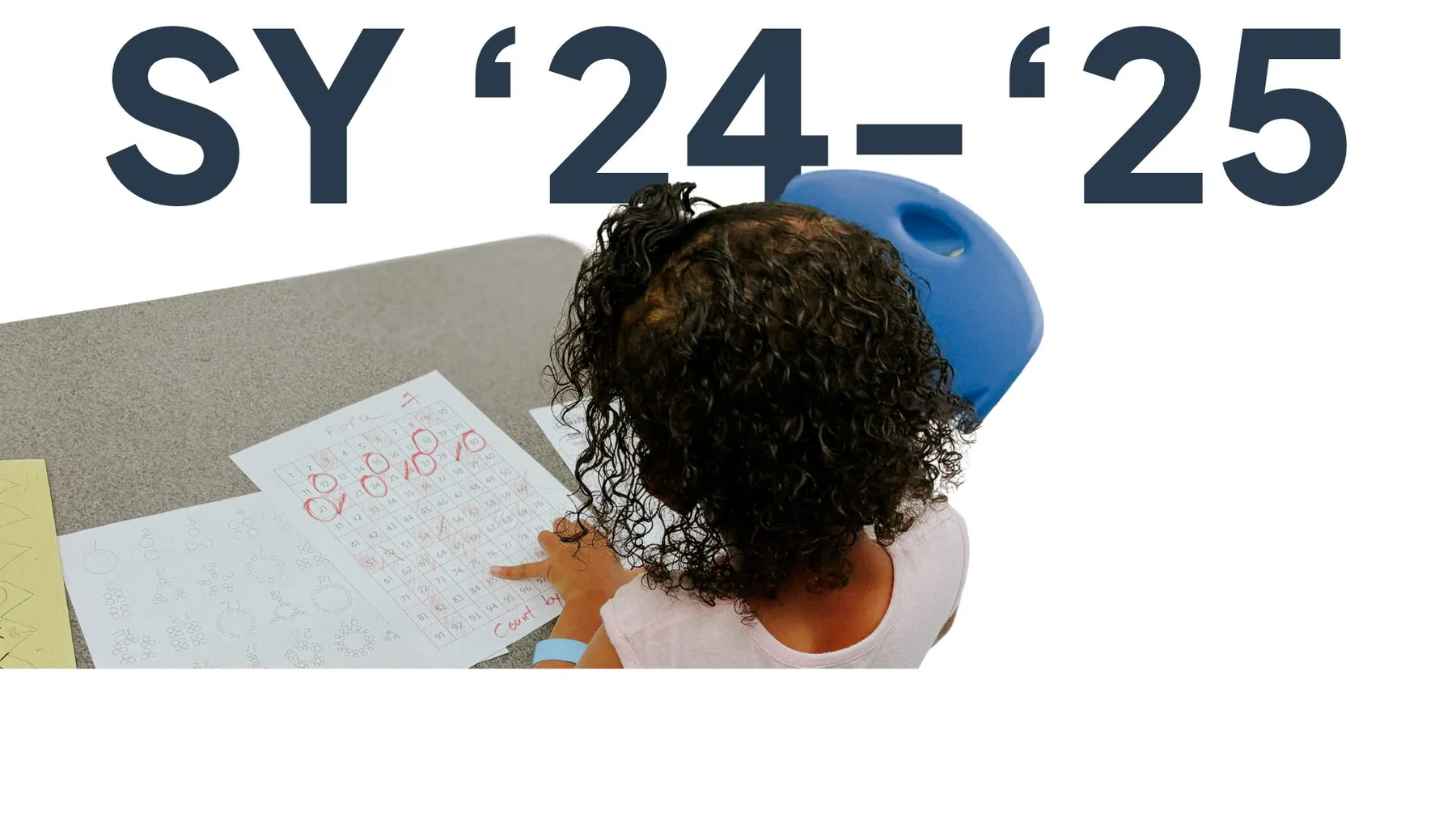
Our expanded coalition of HIT providers connected more than 10,500 students to high-impact tutoring in the 24-25 school year, bringing our total reach to 26,000+
Join CityTutor DC on Wednesday, November 20, for A Brighter Future: Learnings from Transforming Teaching, as we celebrate key findings and lessons learned during the pilot year of our Transforming Teaching Pilot (TTP) initiative.