
High-Impact Tutoring Toolkit
Research shows that high-impact tutoring can lead to larger learning gains in math and reading than other school-based interventions when it meets standards. Learn more about the citywide high-impact tutoring strategy.
About the Toolkit
In partnership with the Office of the State Superintendent for Education (OSSE), CitySchools Collaborative has developed this toolkit to share resources and supports to help school leaders brainstorm and implement high-impact tutoring (HIT) in their schools, aligned to the following standards drawn from national research on HIT.
High-impact tutoring (sometimes referred to as “high-dosage tutoring”) is a research-backed practice to substantially improve academic outcomes. High-impact tutoring is meant to supplement classroom learning and complement teacher curriculum. In a small group or one-on-one setting, a trained tutor and student meet frequently and consistently, typically with a focus on math or literacy. While these tools can be useful to many stakeholders, the intended audience of this guide is school leaders in Washington, DC.
Many of these tools are discussed in and derived from the CitySchools Collaborative Design Sprints, a multi-week learning series to support schools and community-based organizations in designing and implementing high-impact tutoring in their daily work. Learn more here.
In partnership with
CityTutor High-Impact Tutoring Standards
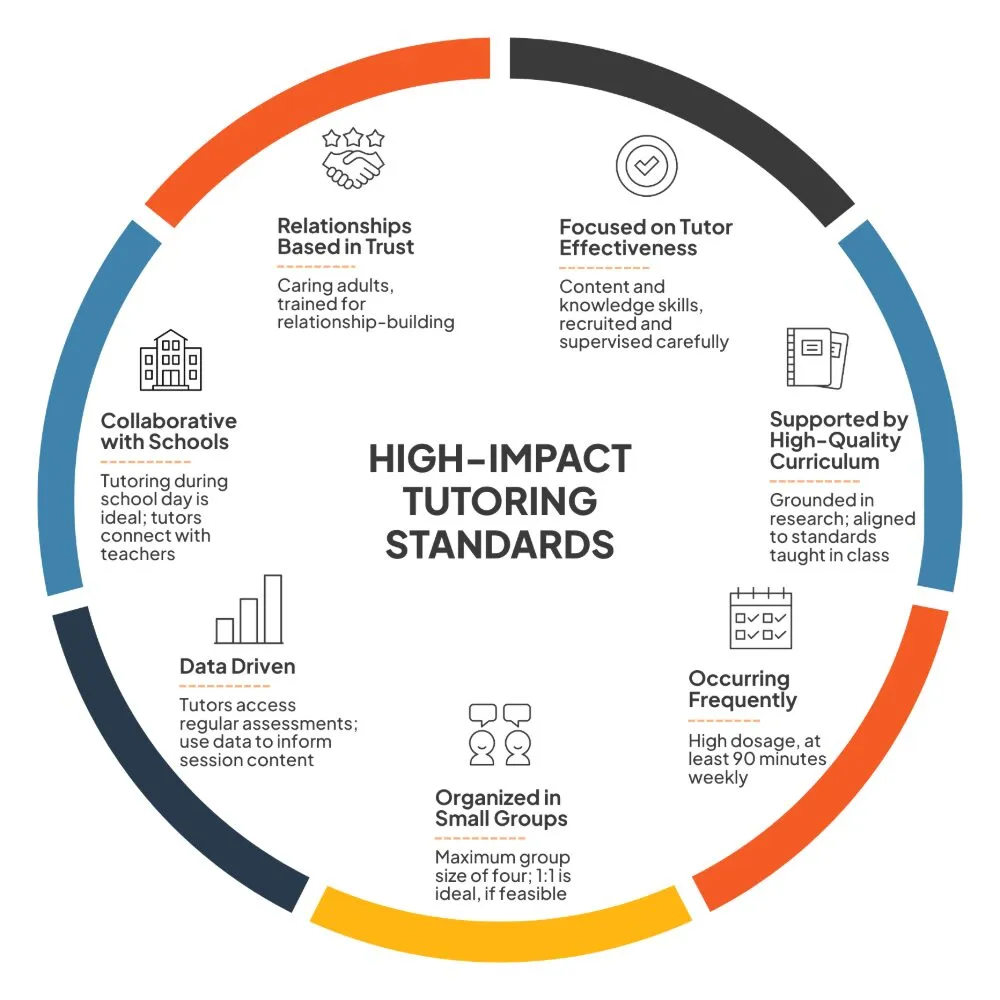
Click image to enlarge
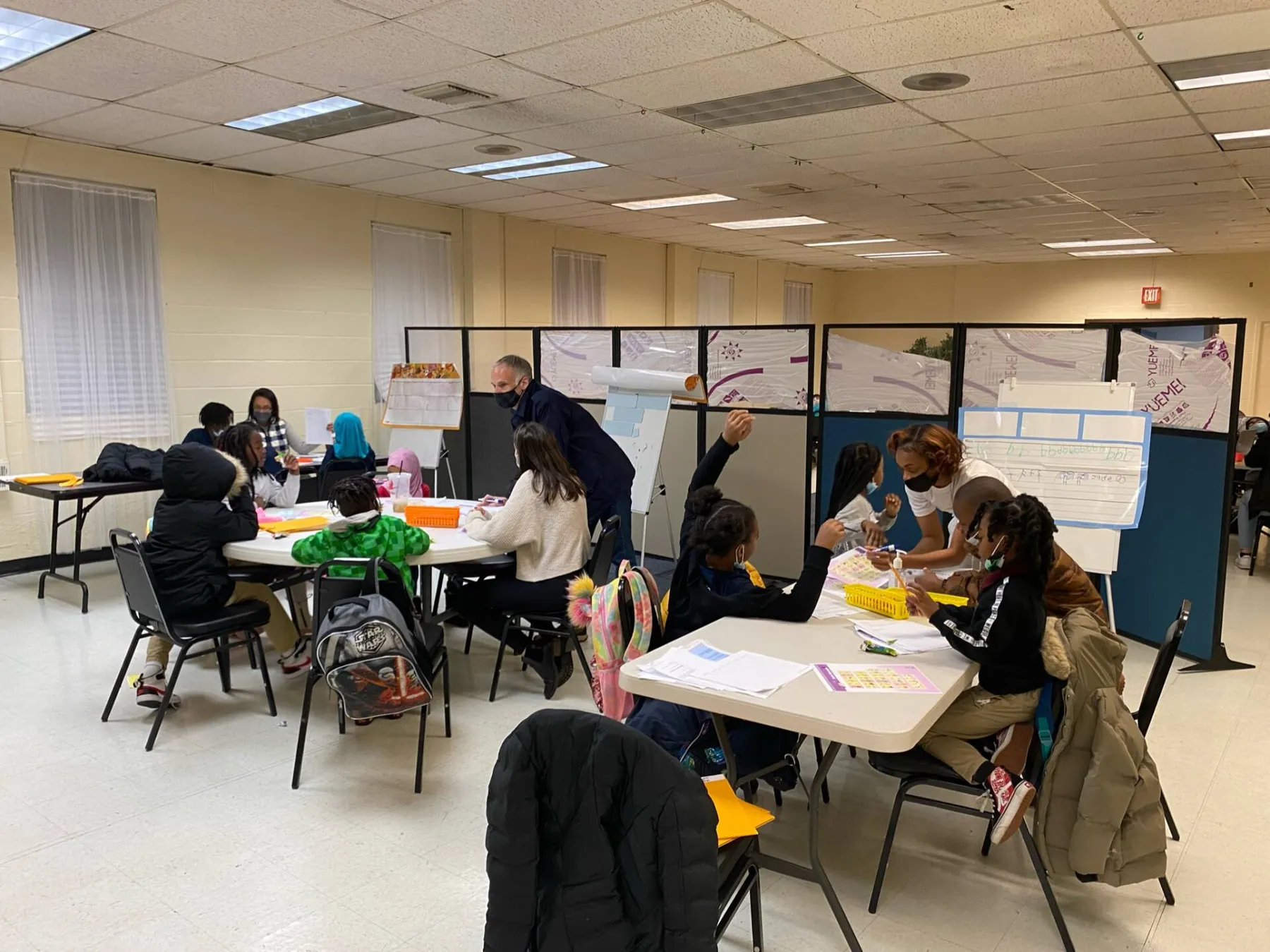
CityTutor Training Content
CityTutor Orientation and Training
View Main Session slides or join us for a live training!
Other Training Content
Building Affirming Learning Partnerships Training
Supporting Multilingual Learners Training
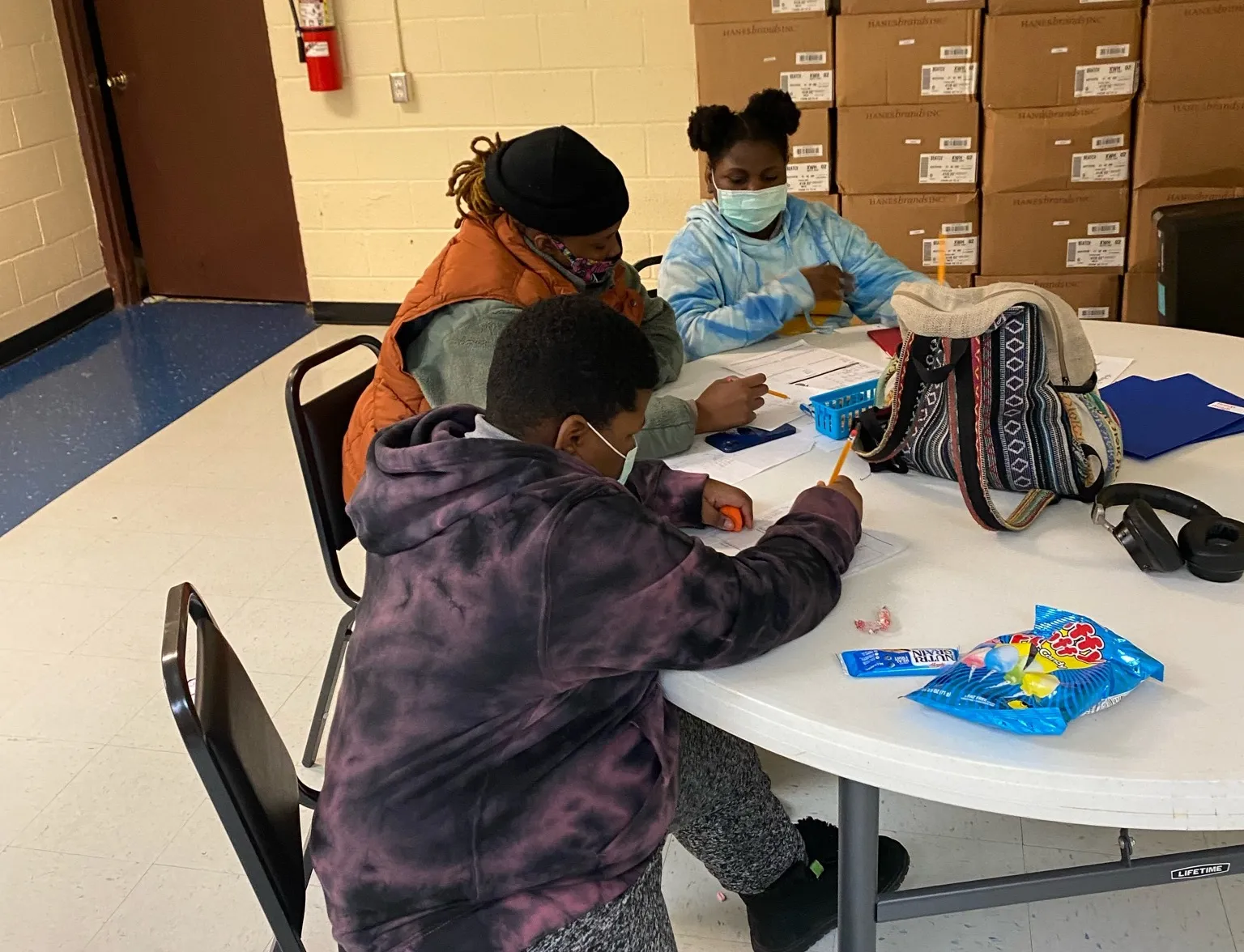
FAQs about HIT
WHY choose tutoring as a strategy?
Why should you consider high-impact tutoring as an acceleration strategy for your students?
Resources
- Our State Education Agency supports HIT efforts with recovery funds and offers guidance and questions for consideration. Take me to OSSE’s HIT Guide and OSSE HIT Supports and Programs page.
- Recent research continuously demonstrates significant benefits to implementing a high-impact approach to tutoring. Take me to best practices from the National Student Support Accelerator (NSSA) and Annenberg Institute at Brown University.
- In a Design Sprint, participants are tasked with setting the goal of their intervention, which we will guide you through in this introductory Loom video. Take me to the two-minute video on Goal Setting (Design Sprint Loom).
WHO will serve as tutors and WHO will be tutored?
Will you use school staff or a third party provider that is interviewed against the standards for HIT and what is important to your LEA? How will you identify the individual students or grade levels who will benefit most from HIT?
Resources
- To interview prospective HIT Providers, you can assess their capacity to provide HIT or consider several tutoring providers CitySchools Collaborative has interviewed against HIT standards.
- Another aspect of HIT implementation guided through the Design Sprint is the approach to selecting students to receive HIT. Take me to the 15-minute video on Selecting Students (Min 1:40).
- CitySchools Collaborative has developed its own training for any tutor serving Washington, DC students, including school staff acting as tutors, and has also partnered with Relay GSE to develop training materials on building relationships and supporting multilingual learners.
- Before beginning tutoring, the NSSA recommends that diagnostic assessments are given to students to determine the level of support necessary and track students’ starting point for progress. Take me to Example Diagnostic Tools.
WHAT training and materials will your school use for tutoring?
What curricular materials and training will the tutors use?
Resources
- One of the steps during a Design Sprint is naming the problem, which we will guide you through in a brainstorming tool.
- Through our partnership with different providers and schools, CitySchools Collaborative has compiled commonly implemented curricular materials that align well with HIT standards.
- CitySchools Collaborative has implemented a tutor training to support integration of tutors into high-impact tutoring programming, including school staff acting as tutors.
WHEN will tutoring happen?
Can you modify your schedule since school day tutoring is most effective? Can you find 90 minutes per week for each student and maximize the number of students getting high-impact support?
Resources
- Another aspect of planning and implementing HIT in schools is finding time during the school day for high dosage and these resources explain schedule modification to accommodate HIT. Take me to the 15-minute video on Schedule Modification Options Typical in the District (Design Sprint Loom).
- This Unlocking Time website shares 12 bell schedules in use across the country for you to consider as you reimagine your school day. Take me to Unlocking Time Scheduling Resources.
WHERE will tutoring happen?
Will students be pulled from class to a designated space for tutoring and are teachers supportive? Will tutors push into a small group time with the teacher? If after school, will students be guided to a space and set up for tutoring success?
Resources
- Talk to stakeholders, especially those at the margins and outside of typical power structures, about where HIT will fit in, how they are impacted, and what insights they have.
- Space may be at a premium in your school and the environment for tutoring can make or break a session. Here are some ideas to get creative when maximizing space to provide tutoring.
HOW can tutoring work for your school?
How can you design collaboratively for the students at the margins with empathy, considering your own identity? How can you navigate logistics such as procurement and any central LEA office requirements?
Resources
- Launch plans from real District schools representing different grade spans can provide guidance as you develop your own.
- For District of Columbia Public Schools (DCPS) seeking tutoring partners, there is guidance from the DCPS central office on how individual schools can build strong and successful partnerships. Take me to the DCPS Partnerships Toolkit.
- As you are navigating tutoring, it is important to continually assess the quality of tutoring and adherence to HIT standards. OSSE and CitySchools Collaborative have collaboratively developed an evaluation tool that includes an observation rubric, HIT interview tool, and HIT scoring rubric to utilize when assessing the HIT at your school. Take me to the CSC Evaluation Tool.
HOW MUCH will tutoring cost?
How can you make an informed decision for budgeting? How could you approach requests for proposals?
Resources
- When preparing to implement high-impact tutoring, proper, timely budgeting is both challenging and important. Take me to the Tutoring Cost Estimator Tool.
- To assess HIT Providers during a procurement process, your request can include specific best practices to be included in the proposal. Take me to a Sample Request For Proposals.
For more information about CitySchools Collaborative and the work we do, check out our general FAQs or our video.
Follow us on social media @cityschoolscollab