

by Gina Burd
When I interviewed for my role at CitySchools Collaborative, our Executive Director, Cat Peretti, asked me: what is your superpower? My answer was immediate–I taught high school English for 13 years. As a teacher, I hustled to get all the things done, adapted when nothing went to plan, and cared deeply for students, families, and colleagues. Even though I left the classroom in 2017, that experience still informs everything I do today.
I think about this “superpower” question a lot when we partner with tutoring providers. Each organization’s program model is designed and implemented with the research-backed high-impact tutoring standards as the frame for strong programs. And each organization layers on something unique to support students and school communities–their own superpower.
Thanks to these superpowers, HIT works in DC. Last school year, data demonstrated that when students received 900+ minutes of math tutoring, they grew an equivalent of 59 additional school days. Stanford University published a study in 2025 showing that tutored students in DC attended school at a higher rate than their non-tutored peers. And this winter, when we surveyed students, we saw that students love their tutors. Relationships matter, and having a trusted adult at school increases students’ sense of belonging.
-
92% of middle school students feel respected by their tutors
-
92% of K-3 students get along with their tutors
-
96% of HS students feel respected by their tutors
In this blog series, I highlight four of our tutoring partners and their superpowers driving HIT’s success in DC: Reading Assist, Kid Power, George Washington University Math Matters, and Blueprint Schools Network. The best part of my job is collaborating with their program leaders, who are smart, passionate educators that help students learn and school communities thrive.
Blueprint Schools Network
Superpower: Integrating full-time tutors into the teaching team
Blueprint Schools Network launched its DC HIT program during school year 2020-21 and supported 350+ students across seven schools this school year. Their AmeriCorps model embeds full-time Blueprint Math Fellows into K-12 school communities. This school year, Blueprint prioritized an early start to the year, and Fellows joined school professional development days to build relationships with school staff before students entered the building. Across all sites, students who received tutoring from Blueprint Math Fellows outperformed their non-tutored peers on mid-year MAP and iReady assessments by 7%.
Research demonstrates that more minutes of tutoring equates to higher rates of academic growth for students. One of Blueprint’s non-negotiable conditions for success is partnering with schools that have master schedules supportive of small-group tutoring. Across all school sites, students receive an average of 99 minutes of HIT per week.
I observed Blueprint’s push-in HIT model at both Cardozo Education Campus and Ballou High School this school year, and it was immediately clear that teachers built a classroom culture that established Fellows as educators in the room. Both teachers noted that students didn’t realize that Fellows were tutors–they were simply additional educators, which allowed for consistent expectations for both instruction and buy-in.
Middle and high school student survey responses demonstrate appreciation for this team teaching model. One eighth grader shared: “What I like best about tutoring is the amount of support I get as well as how I have more options rather than just one teacher to ask for help.” A high school student said that her “tutor is good at giving me confidence to answer my work right or wrong. She never judges.”
Blueprint’s strategic staffing structure clearly enhances a student’s classroom experience. Student well-being and connections within their school community are critical to a strong sense of belonging. Blueprint’s Math Fellows offer students the opportunity to have strong relationships with multiple educators in their classroom.
Kid Power
Superpower: Adapting programs to meet each school’s vision
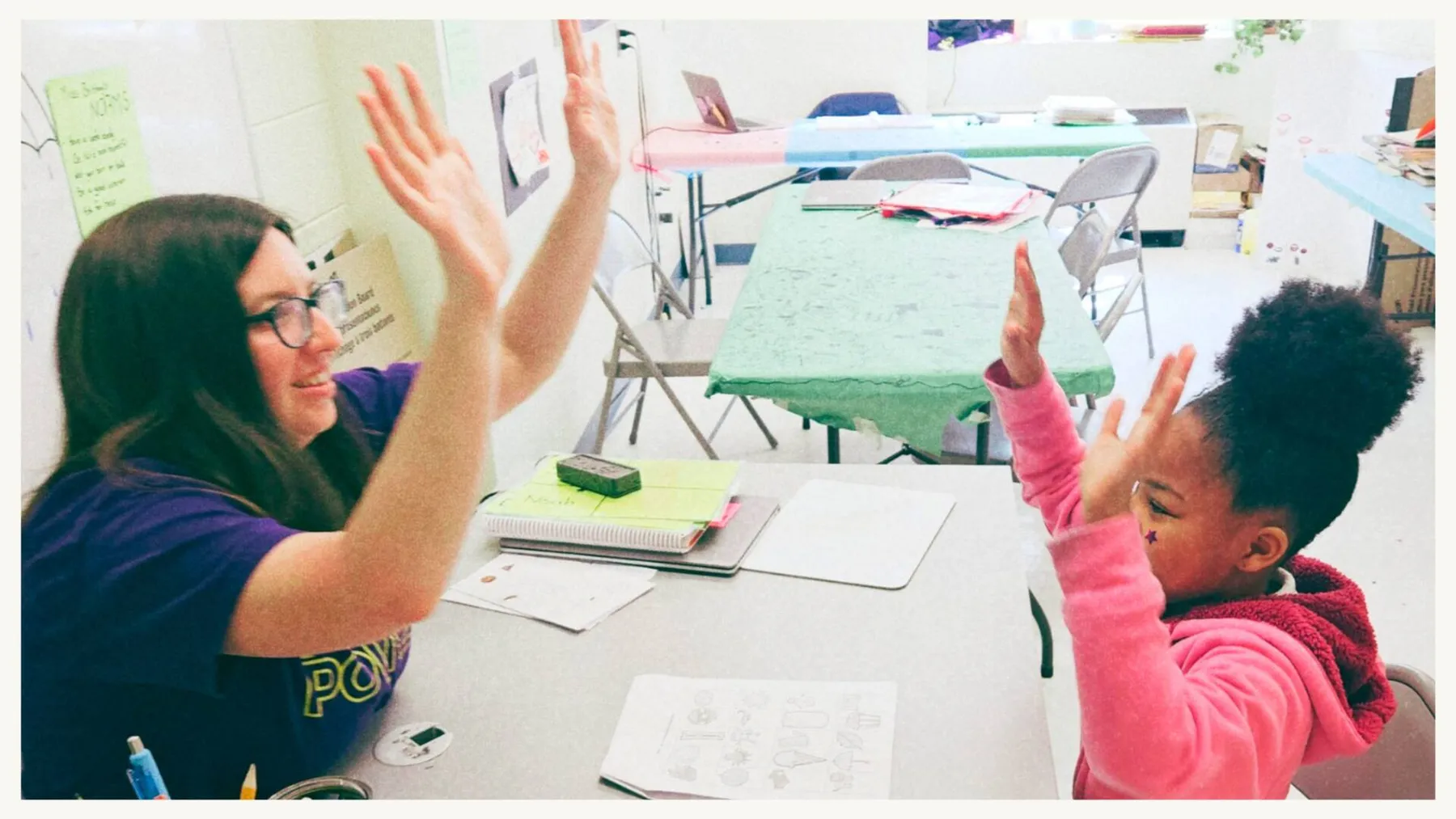
Kid Power believes that long-term, sustainable partnerships strengthen school communities. Kid Power provides high-impact tutoring for over 200 students across five DC Public and Public Charter elementary schools. Sarah Pasqualini, the organization’s Elementary Programs Director and former special education teacher, ensures that HIT programs serve each school community’s goals and vision.
At last month’s DC Learning Acceleration Summit, I highlighted Kid Power’s longstanding partnership with Barnard Elementary. In 2008, they began providing out-of-school time programming; post-pandemic, Barnard leadership expressed the need for school day tutoring. Kid Power responded by building a high-impact tutoring literacy program, and this school year, they added math tutoring to provide additional support for students and educators.
At the outset of their HIT partnership, Sarah established a collaborative relationship with Ms. Crystal Moorefield, the ELA coach, who has the autonomy to build student rosters and determine learning goals. Ms. Moorefield builds the bridge between teachers and Kid Power staff so that all educators in the building can establish trust and stay aligned on student needs.
Of the 600+ students enrolled at Barnard ES, 41% are Multilingual Learners (MLL), and to support these students, Kid Power hired a bilingual tutor, Karla Meran, who administers the UFLI Foundations curriculum in Spanish. Last school year, 93% of MLL students Karla tutored met their growth goal on the mClass assessment. To put this figure into perspective: across the city, 78% of MLL students who received HIT met their growth goal. These students outperformed their non-tutored peers by +4%.
Students love their Kid Power tutors. To ensure student voice informs HIT programs, CitySchools Collaborative administers student surveys in December and May. We ask the question: what is your favorite part about tutoring? Kid Power’s students have a lot to say–“I like that we learn new stuff and new words and we have fun while learning.” “My tutor respects me and I learn more.” My personal favorite:
“I feel like I belong at Kid Power.”
GW: Math Matters
Superpower: Building systems that make scale possible
George Washington University’s Math Matters program provides high-impact math tutoring for students at eleven elementary and middle schools across the city. This is Math Matters’ largest footprint since its inception in 2021. Last school year, Math Matters tutored 225 students. This year, it has doubled to 450.
Driving this expansion are Abimbola Ogundare and Maura Burns, who are both full-time staff and graduate students at GW. Together, they manage 130 college student tutors who all have different schedules and levels of professional experience. This summer, Abimbola and Maura made some clever logistical and staffing changes to increase their operational capacity.
Math Matters’ staffing changes provide experienced tutors or graduate students with leadership opportunities to serve as lead tutors and school liaisons. Both roles require participation in a three-day leadership training seminar and meet weekly with Abi and Maura.
- The lead tutor manages a cohort at each site, overseeing session quality, engagement, and transportation logistics, a common challenge in college-based tutoring programs.
- The school liaison adds operational support and secures tutoring space, communicates with school points of contact about attendance and rosters, and publishes a family newsletter.
Math Matters also realized that lead tutors, liaisons, and tutors needed clear guidelines for communication, so they built a flow chart addressing common questions. A tutor is running late. A student shares sensitive information. A student isn’t quite grasping the math concept. This operational shift in building a communication tool has increased both efficiency and ability to address concerns immediately.
These operational shifts are working. Mid-year iReady/MAP assessment data shows that students who received tutoring from Math Matters outperformed their non-tutored peers. Mid-year student survey results revealed that 97% of these students feel respected by their tutors. During tutoring sessions, practicing math is a joyful experience. One seventh grader summed it up best: “My favorite part about tutoring is my extreme laughter while at the same time doing my work.”
Because Abi and Maura established these operational systems, they ensured that as the program scales, students continue to feel supported, respected, and engaged.
Reading Assist
Superpower: Intensive training and coaching for mission-driven tutors
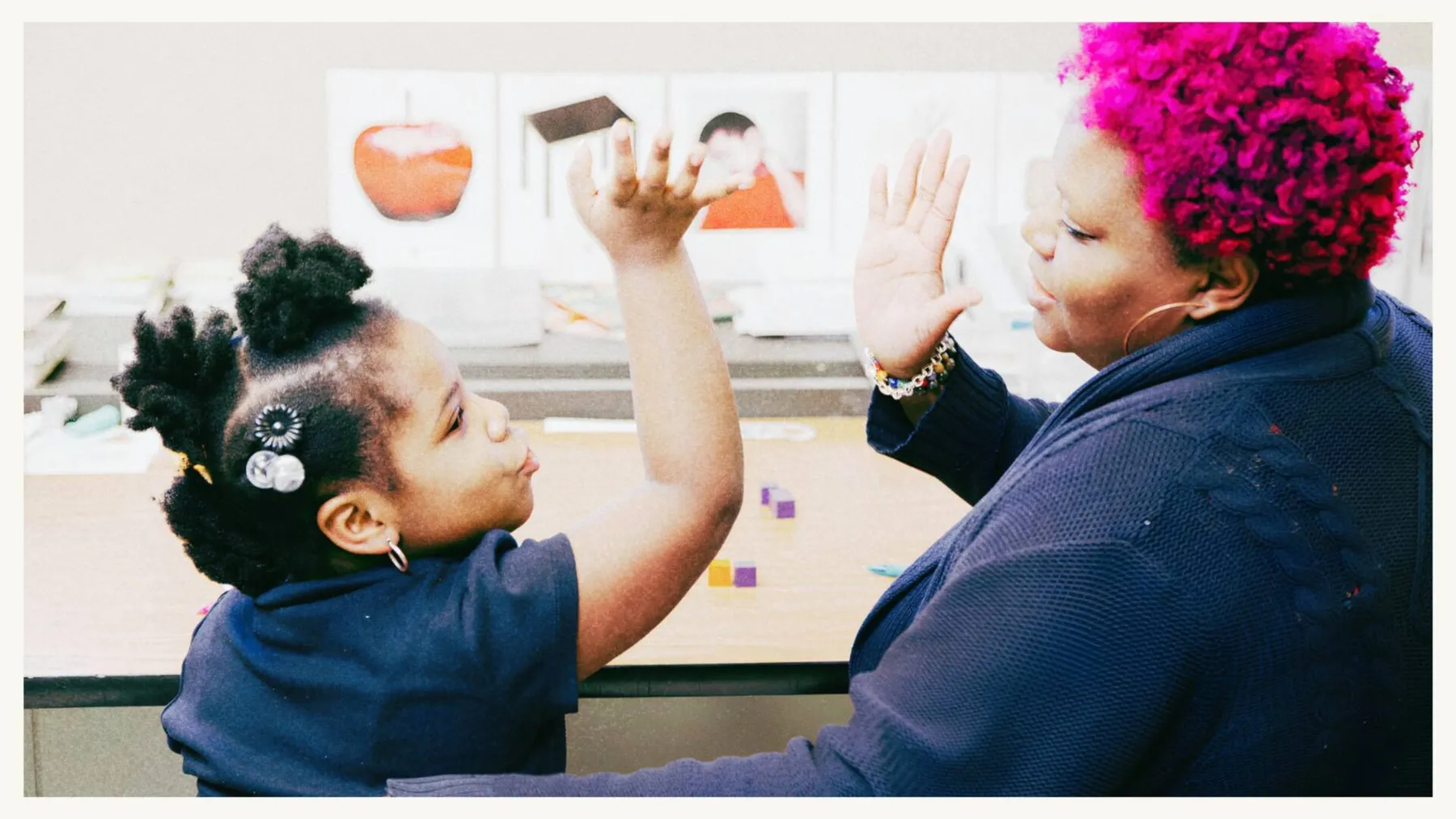
Reading Assist is a Delaware-based nonprofit that brought its program to serve DC students during school year 2023-24. This year, they provide high-impact literacy tutoring for 450 elementary students across twenty DC Public and Public Charter schools.
Caroline O’Neal, Reading Assist’s CEO, has a clear vision that drives tutor recruitment: “Our fellows need two things: a real commitment and a genuine love for kids. We can teach you how to teach reading, but we can’t teach you how to show up consistently. And kids learn best from people who truly care about them. Show up with love, dedication, and compassion, and we’ll help you with the rest.”
Reading Assist prepares Fellows through a multi-layered approach that combines intensive training, ongoing coaching, and continuous professional development. Their Pre-Service Training includes 90+ hours of graduate-level training in Reading Assist’s accredited Reading Intervention Program. This three-week intensive program covers structured literacy principles and explicit instruction strategies. Tutors must pass content exams and demonstrate competency through scored practice observations before receiving school placements. This training also includes hands-on practice sessions with instructional materials.
Once Fellows are placed in schools, they receive additional professional development and ongoing coaching and feedback from program directors, including Jeannine Bedford, who began her work as a Reading Assist Fellow. Jeannine’s commitment to Reading Assist’s mission allows her to support Fellows and foster a similar commitment. At DC Scholars PCS, for instance, all four Fellows have returned from last school year, adding consistency to the school’s community.
Because tutors are so well-prepared, students experience both strong instruction and strong relationships. Tutored students outperformed their peers on mid-year mClass assessments, and student surveys indicate that they feel cared for: 100% of students feel respected by their tutors. One fourth grader at Garfield Elementary shared, “I’m so glad my tutor is here.”
